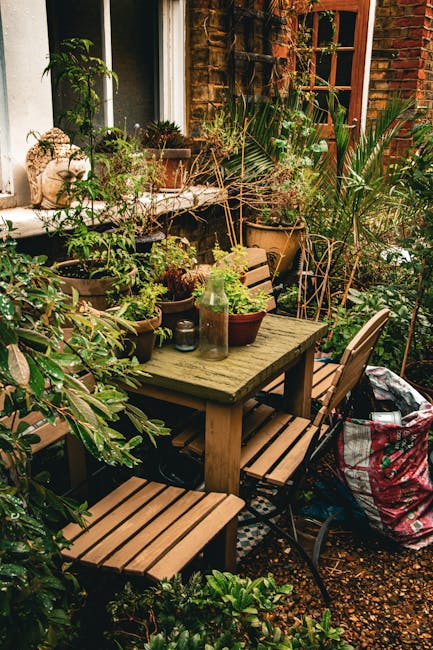
What to expect from insured gardeners in Southwark
If you are hiring help for your garden, the insurance question tends to show up quickly. Fair enough too. Whether you need routine maintenance, hedge cutting, a full garden clearance, or a bigger landscaping job, knowing what to expect from insured gardeners in Southwark can save you stress, time, and the odd expensive surprise.
In simple terms, insured gardeners should offer more than tidy borders and a decent lawn. You should expect professionalism, sensible safety practices, clear communication, and cover that protects both you and the people working on your property. That matters a lot in a busy borough like Southwark, where gardens can be compact, access can be awkward, and one careless moment can cause damage to a fence, a shed, or something more serious. This guide walks through the real-world expectations, the checks worth making, and the warning signs that tell you when to pause. No fluff. Just the useful bits.
Table of Contents
- Why it matters
- How insured gardening work works
- Key benefits and practical advantages
- Who this is for and when it makes sense
- Step-by-step guidance
- Expert tips for better results
- Common mistakes to avoid
- Tools, resources and recommendations
- Law, compliance, standards, or best practice
- Options, methods, or comparison table
- Case study or real-world example
- Practical checklist
- Conclusion
- Frequently asked questions
Why What to expect from insured gardeners in Southwark Matters
Insurance is not just a box-ticking detail. It is part of the trust you place in someone when they are walking around your property with tools, ladders, cutting equipment, or heavy waste bags. In a garden, even a routine job can create risk. A stone can fly. A branch can drop the wrong way. A mower can nick a paving edge. Water features, decking, boundary walls, and shared access paths make things a bit more complicated than people often assume.
To be fair, many jobs go perfectly smoothly. But the point of insurance is to cover the rare days when they do not. If a gardener is insured, you are not relying on luck alone. You are looking for a business that understands responsibility, not just gardening. That usually shows up in the way they plan work, protect surfaces, handle waste, and communicate before and after the visit.
There is also a practical side. Insured gardeners are often more likely to be organised overall. They tend to have a clearer process, better paperwork, and a stronger attitude to safety. In other words, insurance can be a sign of how a business operates, not just a document sitting somewhere in a folder.
If you are comparing services, it helps to look at the full picture. A company that offers garden maintenance, lawn mowing, or hedge trimming should not only sound capable; they should also be able to explain how they protect your home and themselves while working.
How What to expect from insured gardeners in Southwark Works
Most insured gardening jobs follow a fairly straightforward pattern. You ask for a quote, describe the work, and the gardener decides what tools, people, and timing are needed. For smaller maintenance jobs, that may be simple. For larger work like clearance, tree-related tasks, or landscaping, the planning becomes more important.
Here is the part people often miss: the insurance itself does not do the job. It supports the job. A good insured gardener should still be careful, trained, and realistic about what they can safely complete. Insurance is there to manage risk, not to excuse poor practice. That is a subtle difference, but a useful one.
In practical terms, you can expect a few things before work starts:
- They ask what the garden contains, not just how big it is.
- They may want photos or a walk-through for less standard jobs.
- They explain if extra access, waste removal, or specialist equipment is needed.
- They confirm the scope clearly so there is less room for confusion later.
- They should be able to talk through safety and cover without sounding defensive.
For example, if your back garden is only reachable through the house, a careful gardener should mention protecting floors, moving tools safely, and reducing mess as they go. If the work involves heavy waste, they may suggest garden clearance rather than trying to squeeze it into a standard tidy-up. That sort of judgement is a good sign.
Some customers also need a broader plan. If your project is more than maintenance and edges into design or transformation, browsing services overview and landscape gardening can help you understand the options before you commit. No one likes halfway decisions on a wet Tuesday morning, frankly.
Key Benefits and Practical Advantages
The obvious benefit is peace of mind. You know that if something goes wrong, there is a proper route for dealing with it. But the real value of insured gardeners goes beyond that.
- Reduced financial risk: If accidental damage happens, insurance can help prevent a small mishap from becoming a personal headache.
- Better professionalism: Insured gardeners often work with clearer procedures and better accountability.
- Safer working methods: Insurance usually goes hand in hand with more careful habits and sensible planning.
- More suitable for complex jobs: Tree work, clearance, and larger garden changes carry more risk, so cover matters more.
- Improved confidence for repeat work: If you need seasonal visits, you are more likely to feel comfortable letting the same team return.
There is also a subtle but important benefit: better conversations. When a gardener can explain their cover, their process, and the likely risks in plain English, the whole exchange tends to be smoother. You feel informed rather than sold to. That is worth a lot, especially if you are trying to compare quotes.
And yes, cost matters. But cheapest and safest are not always the same thing. A slightly higher quote from an insured, organised gardener may save you money in the long run if it avoids damage, poor work, or a long list of unfinished bits. Nobody enjoys paying twice. Nobody.
Who This Is For and When It Makes Sense
Insured gardeners are a sensible choice for almost anyone, but they are especially useful if your garden work falls into one of these situations:
- You are hiring for the first time and want reassurance.
- Your garden includes decking, fences, sheds, paved areas, or other features that can be damaged.
- You need regular maintenance and want someone reliable over time.
- The job involves ladders, cutting tools, waste removal, or difficult access.
- You live in a shared property, terrace, or house with close neighbours and limited room to manoeuvre.
- You need work that is more involved than simple mowing or tidying.
It also makes sense if you are a landlord, managing agent, or homeowner preparing a property for sale or letting. In those cases, you usually want documentation, dependable standards, and a lower chance of disputes. A well-run gardening service can support that neatly.
If you only need a quick mow and a light tidy, you may still want insured help. Sometimes the smallest jobs carry the biggest annoyance if a machine damages turf or gravel, or if clippings are left in the wrong place. A modest job can still benefit from proper cover. Truth be told, that is often where people get caught out.
Step-by-Step Guidance
If you want a sensible way to hire, here is the process I would recommend.
- Define the job clearly. Is it maintenance, clearance, trimming, or landscaping? Be specific. "Sort the garden out" sounds simple, but it rarely helps anyone.
- Check what is included. Ask whether waste removal, fuel, disposal, or follow-up visits are part of the price.
- Ask about insurance directly. A good gardener should be comfortable confirming that they are insured and explaining what the cover supports in general terms.
- Discuss access and site risks. Mention narrow side passages, fragile paving, pets, shared entrances, or parked cars nearby.
- Confirm timing and disruption. Some jobs are quick; others may leave the garden out of action for a short while.
- Agree the outcome. What should the space look like when they finish? Nice and clear? Neatly cut? Raked? Waste taken away?
- Review the work on completion. A quick check at the end is much easier than trying to sort things out days later.
This approach sounds basic, but it works. It keeps the conversation practical and stops small misunderstandings turning into bigger ones. You might be surprised how often problems are just the result of assumptions.
If the job is more specialised, such as tree-related work, you should be even more careful. Services like tree lopping and removal usually involve added risk and should be handled with extra planning, sensible equipment, and a strong safety mindset.
Expert Tips for Better Results
After you have hired enough gardeners, you start to notice patterns. The best results often come from the same handful of habits.
- Send photos before the visit. This helps avoid awkward surprises and gives the gardener a better idea of scale.
- Point out what matters most. Maybe it is the ivy on the fence, maybe it is the patch of lawn by the patio. Say so.
- Be realistic about time. If the garden has been neglected for months, one short visit may not solve everything.
- Ask how they will dispose of waste. Waste handling is one of those boring topics that suddenly becomes very important.
- Keep a note of what was agreed. A short message or written quote can prevent confusion later.
- Think seasonally. Spring growth, autumn leaf fall, and winter clean-ups all bring different needs. A good garden is often the result of steady care, not one heroic clean-up.
One small but useful habit: look at how a gardener talks about the job. Do they explain things clearly, or do they rush through the details? Do they ask questions, or just nod and hope for the best? The best tradespeople usually ask more than you expect. That is a good thing.
If your garden includes timber features, a patio refresh, or structural changes, you may also want to look at decking services or landscaping. Sometimes a garden needs more than maintenance, and it is better to know that early.
Common Mistakes to Avoid
Most hiring mistakes are avoidable. That is the slightly annoying part. The fix is usually just asking one more question.
- Not checking insurance at all. People sometimes assume it is included, but never ask. That is risky.
- Assuming all gardeners offer the same standard. They do not. Not even close.
- Choosing only on price. A low quote can be fine, but if it comes with vague scope or poor communication, beware.
- Being unclear about the finish. A "tidy up" means different things to different people.
- Ignoring access issues. Tight side gates, steep steps, and communal paths can change the job dramatically.
- Forgetting to discuss waste. A garden can look neat until you realise the green waste is still sitting by the bins.
- Skipping a final check. A five-minute inspection can save a lot of annoyance.
One mildly human mistake I see quite often: people are embarrassed to ask about insurance because they think it sounds distrustful. It doesn't. It is normal. In fact, a professional gardener should expect the question and answer it calmly.
Tools, Resources and Recommendations
You do not need a toolbox full of jargon to make a good choice. A few simple tools and references are enough.
- Your own photos: The easiest way to explain the job and show problem areas.
- A written list of priorities: For example, mow lawn, cut back hedge, remove waste, tidy borders.
- Measurements or rough estimates: Helpful for larger spaces or awkward layouts.
- Previous maintenance notes: If the garden has known issues, share them.
- A short message thread or email: Useful for keeping scope, timing, and expectations clear.
For service-specific planning, it can also help to look at related pages such as garden maintenance and hedge trimming. If the garden is heavily overgrown or full of debris, garden clearance may be the better starting point. The right service saves time and avoids a lot of back-and-forth.
If you want to understand how a provider presents itself, its values, or its working approach, the about us page can be helpful too. It will not tell you everything, of course, but it often gives a feel for how the business thinks.
Law, Compliance, Standards, or Best Practice
This is where the careful wording matters. I am not going to pretend every gardening job involves formal legal complexity, because most do not. But there are sensible UK best-practice expectations that are worth keeping in mind.
For professional garden work, you would normally expect:
- Public liability insurance as a basic sign of professionalism and customer protection.
- Risk-aware working around tools, ladders, sharp equipment, and waste handling.
- Clear communication about the scope of work and any exclusions.
- Reasonable care for property, including paths, edging, fences, and access routes.
- Safe disposal of garden waste in line with normal environmental and local expectations.
For bigger or more technical jobs, best practice becomes even more important. Tree-related tasks, for instance, should be handled with extra care because height, weight, and falling debris create obvious hazards. Likewise, anything involving structural garden features or hard landscaping should be planned more like a small project than a quick tidy-up.
If you care about how a business handles safety and operational responsibility, it can be worth reading its insurance and safety information and health and safety policy. Those pages help you understand the standards being followed, even if you are only booking a modest amount of work.
Another area that sometimes gets overlooked is waste and materials. Responsible gardeners should think about reuse, recycling, and sensible disposal where possible. If that matters to you, take a look at recycling and sustainability. It is a small detail on paper, but it can make the whole service feel more considered.
Options, Methods, or Comparison Table
Not every gardening job needs the same kind of provider. Some jobs are light and routine. Others are messy, time-consuming, or risky. Here is a simple way to think about the options.
| Type of work | Typical expectation | Why insurance matters more or less | Best fit |
|---|---|---|---|
| Routine garden maintenance | Mowing, weeding, edging, light tidy-up | Useful, but usually lower risk | Homeowners wanting regular upkeep |
| Hedge trimming | Cutting, shaping, clearing cuttings | Moderate risk from tools and access | Gardens with regular growth control needs |
| Garden clearance | Removing clutter, overgrowth, and waste | Helpful because of lifting, debris, and property contact | Neglected or recently changed gardens |
| Tree-related work | Pruning, reduction, removal | High importance due to falling branches and equipment | Jobs needing careful assessment |
| Landscaping or decking | Layout changes, surfaces, feature installation | Very useful because mistakes can be costly | Property improvements and bigger projects |
The main takeaway? The more complex or physically demanding the job, the more valuable insured, structured, and experienced help becomes. Simple enough, really. But easy to forget when a garden looks manageable from the kitchen window.
Case Study or Real-World Example
Imagine a Southwark homeowner with a small rear garden that has become a bit of a jumble after a long stretch of wet weather. The lawn has gone patchy, the hedge is spilling over the fence, and there are broken pots, branches, and a few bags of old compost stacked near the shed. Nothing dramatic, just one of those gardens that quietly gets away from you.
They contact an insured gardener and explain the main priorities: clear the clutter, trim the hedge, mow the lawn, and tidy the borders. The gardener asks for a couple of photos, checks access through the side passage, and mentions that waste removal may need to be handled separately because of the amount involved. They agree the scope, the likely order of work, and the finish expected.
On the day, the team protects narrow paths, moves carefully around the shed, and keeps the main mess contained rather than spreading it everywhere. The result is not just a neat garden. It is a calmer experience. The homeowner knows who is doing what, what is covered, and what happens if anything unexpected occurs. That is the real value here.
If the same garden later needs a more complete refresh, the homeowner can move on to broader work such as landscape gardening or a fuller services overview discussion. In other words, the first job becomes the start of a more sensible plan, not a one-off rescue mission.
Practical Checklist
Use this checklist before hiring. It keeps things grounded.
- Have I described the job clearly enough?
- Do I know whether the gardener is insured?
- Have I asked what the insurance is there to cover in general terms?
- Is the quote clear about labour, waste, and any extras?
- Have I mentioned access issues, pets, fragile features, or shared areas?
- Do I know the expected start time and how long the job may take?
- Have I agreed the finish I want, not just the tasks?
- Do I know what happens if the work uncovers a bigger issue?
- Have I checked whether follow-up maintenance might be useful?
- Have I saved the quote or message for reference?
If you can tick most of those boxes, you are in a much better place than most people who book garden work in a hurry. And yes, a garden can still be a garden, not a mini project management exercise. But a little organisation goes a long way.
Get a free quote today and see how much you can save.
Conclusion
What to expect from insured gardeners in Southwark comes down to three things: protection, professionalism, and clear expectations. You should expect more than someone turning up with a mower and a pair of gloves. You should expect someone who understands risk, respects your property, and explains the work in a way that feels straightforward rather than salesy.
That does not mean every job needs a long checklist or a formal meeting. It just means the basics should be handled properly. The quote should make sense. The work should be suitable for the garden. The safety side should not feel vague. And if something is unclear, the gardener should be able to answer without fuss.
In the end, good gardening is not only about cutting, clearing, or shaping. It is about confidence. When the right person is on site, the whole job feels easier. The garden looks better, the process feels calmer, and you are left with less to worry about. That, more than anything, is what most people are really paying for.
Frequently Asked Questions
What does an insured gardener actually cover?
Usually, insured gardeners carry public liability cover for accidental damage or injury connected with their work. The exact cover can vary, so it is sensible to ask what their insurance is intended to protect in general terms.
Should I always ask for proof of insurance?
Yes, it is reasonable to ask. A professional gardener should not be offended by the question. In fact, a calm and clear answer is usually a good sign that they run a proper business.
Is insurance more important for big jobs than small ones?
It matters for both, but it becomes more important as the job gets more complex. Tree work, clearance, landscaping, and anything involving ladders or heavy tools usually carry more risk than a simple mow.
Will insured gardeners charge more?
Sometimes, yes, but not always by much. What you are really paying for is a more structured service, better risk management, and the reassurance that comes with proper cover.
What should be included in a garden quote?
A good quote should explain the main work, any extra charges, how waste will be handled, and any assumptions about access or timing. If the quote feels vague, ask for clarification before booking.
Can insured gardeners help with overgrown or neglected gardens?
Yes, many can. If the garden is heavily overgrown or cluttered, they may recommend a garden clearance approach first, then follow up with maintenance.
Do I need insured gardeners for regular lawn care?
It is still a smart idea. Even routine work can create accidental damage if equipment hits edging, paving, or fencing. A little protection goes a long way.
What if my garden has awkward access?
Tell the gardener before they arrive. Narrow side passages, steps, shared entrances, and indoor access through the house all affect the job. The more they know upfront, the smoother the day tends to go.
How do I compare gardeners fairly?
Compare scope, insurance, communication, timing, and waste handling, not just price. A cheaper quote is not really cheaper if it leaves you chasing missing bits later.
Are landscaping jobs different from maintenance jobs?
Yes. Maintenance is about keeping a garden in good order, while landscaping usually involves changing the space more substantially. The insurance and planning expectations can be higher for landscaping work.
What should I do if something goes wrong during the job?
Raise it straight away and keep the conversation factual. If the gardener is insured and professional, they should have a clear process for dealing with issues. That is one of the main reasons people hire insured help in the first place.
Where can I learn more about the company's approach to safety and service?
You can review pages such as insurance and safety, health and safety policy, and complaints procedure to understand how the business handles responsibility and customer care.
Get a free quote today and see how much you can save.