Recycling and Sustainability for Gardening Southwark
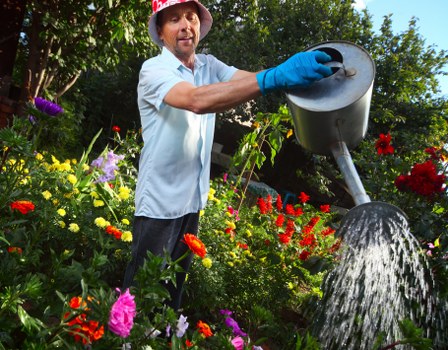 Gardening Southwark is committed to creating an eco-friendly waste disposal area and a thriving, sustainable rubbish gardening area across the borough. Our approach to recycling and sustainability focuses on reducing landfill, reusing materials, and encouraging neighbourhood-level participation in green waste separation. By combining practical onsite systems with borough-wide collaboration, we aim to make green gardening waste management a visible part of everyday community life.
We set a clear recycling percentage target to drive progress: a borough-wide aim of 65% recycling of household and gardening waste by 2030, with interim milestones of 50% by 2026. These targets cover organic garden waste, food scraps, paper and card, mixed packaging, and salvageable garden materials. The target encourages both sustainable recycling practices and improvements to the local waste infrastructure so that compostable and reusable materials are captured before they become refuse.
 To support that ambition we work closely with local transfer stations and depots. Strategic transfer stations in and around Southwark, including facilities serving Bermondsey and adjacent south-east London transfer depots, provide rapid sorting, bulking and distribution of recyclable streams. These transfer stations are essential for moving separated garden waste, glass and mixed recyclables from collection points to processing centres or re-use partners efficiently, reducing carriage distance and emissions.
Practical sustainable rubbish gardening and local recycling activities
On-the-ground activities include coordinated kerbside green bins for garden waste, communal composting bays at community gardens, and events that encourage separation of materials at source. The borough’s approach to waste separation recognises that small changes at household and community level — separate food waste caddies, garden composting, and clearly labelled containers for paper, glass and plastic — make a large systemic difference. We promote separation of organic and recyclable streams so transfer stations can process them with higher recovery rates.
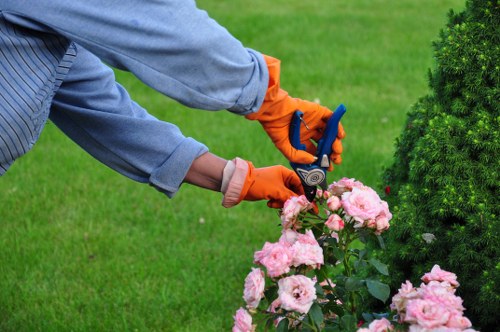 Our sustainable rubbish gardening area programme includes mobile collection points for bulky garden items and targeted reuse drives where good timber, planters and tools are salvaged and given a second life. We emphasise low-carbon logistics: consolidating loads, planning efficient routes, and using low-emission vehicles for collections reduces overall environmental impact and supports the borough’s climate goals.
Key components of Gardening Southwark's operational plan are listed below:
- Partnership with local transfer stations for rapid sorting and reduced transit emissions.
- Community composting hubs and on-site compost maturation areas for garden and food waste.
- Regular reuse events and materials exchanges to divert usable items from the waste stream.
Partnerships, charities and sustainable fleet
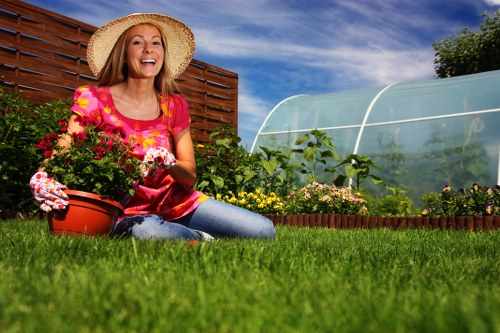 We collaborate with charities and social enterprises to increase reuse and redistribution. Our partners include local reuse charities, community garden networks, and food redistribution schemes that accept surplus produce from allotments and community plots. These partnerships turn potential waste into resources: wood becomes raised-bed material, pots are cleaned and reused, and surplus soil or compost is shared with community groups.
The nature of these partnerships spans volunteer-run garden projects, borough reuse organisations and specialist recycling partners. Typical collaborative activities include:
- Donation pathways for usable equipment and furniture recovered from garden clearances.
- Volunteer-led repair and upcycle workshops to extend the life of tools and planters.
- Food and plant redistribution from community harvests to local charities and community fridges.
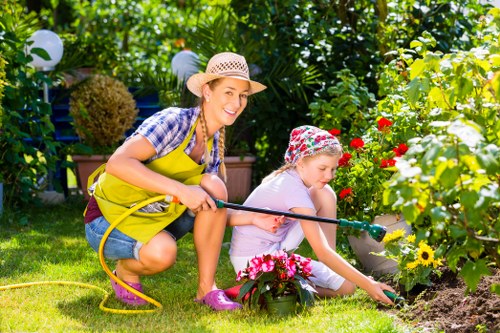 A core pillar of our plan is transitioning our fleet toward low-carbon vans. Gardening Southwark is investing in electric vans and hybrid vehicles for collections and maintenance services, with a goal to operate a fully low-emission collection fleet by 2030. Where electric vehicles are not yet viable for specific routes, we prioritise retrofit solutions, load consolidation and route optimisation software to minimise mileage and emissions.
To maintain transparency and continual improvement we publish annual performance updates showing recycling rates, diversion tonnages, and emissions savings from fleet changes. This reporting shows progress toward the 65% recycling rate target and highlights successful interventions such as neighbourhood compost hubs, reuse events and transfer station efficiencies that shorten transport legs and improve recovery.
Implementing an integrated sustainable recycling strategy in Southwark means combining neighbourhood action with borough-scale logistics. Our model prioritises resource recovery over disposal: garden waste becomes compost, salvageable materials are passed to reuse partners, and recyclable packaging is routed to specialist processors. The result is less landfill, healthier soils for community gardens, and a circular approach to green gardening waste.
Gardening Southwark invites residents and community groups to join the shift toward greener waste management: separate organic waste, support local composting projects, and take part in reuse events. Together we can transform the borough’s approach to eco-friendly waste disposal areas and sustainable rubbish gardening, meeting targets while fostering resilient, low-carbon local systems.